This news item expired on Monday, July 31, 2006 so the information below could be outdated or incorrect.
 Lawns:
- It is too late to treat crabgrass with herbicides.
- Do not fertilize cool season lawns until September.
- Maintain a 3 inch mowing height on fescue and blue grass, one inch on zoysiagrass.
Ornamentals:
- Hand watering is rarely efficient except for containers. Use soaker hoses or appropriately sized sprinklers to apply one inch of water at a time. Use a rain gauge or tuna can to measure rainfall and applied water.
- Maintain fungicide sprays on roses susceptible to black spot and powdery mildew.
- Check needled evergreens for bagworms early, while the caterpillars are still small enough to kill with B.t. bacteria spray.
- Maintain mulch around young trees and use plastic tree guards if necessary to prevent damage by mowers and string trimmers.
- Finish any pruning or fertilizing of shrubs before the end of the month. If you will be away for a few days, arrange to have someone water container gardens and baskets.
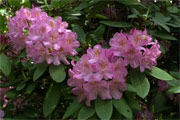
- Prune spring blooming shrubs such as forsythia, spirea, azalea, rhododendron, etc., within a month after they finish blooming.
- Other shrubs should be pruned no later than the end of July.
- Scatter seeds of zinnia, cosmos or small sunflowers for late season blooms.
Fruits:
- For best flavor, leave peaches on the tree as long as possible (if you can keep the squirrels and raccoons from them). Look for the background color of the fruit to change from green.
- Pick blueberries every 3 days.
- This is a good time to remove water sprouts and suckers from fruit trees.
- Rainy weather is very conducive to brown rot on peaches and plums and black rot on grapes. Maintain a fungicide spray to prevent fruit loss.
- A healthy strawberry bed can be renovated after harvest. Beds more than 3 or 4 years old are often best plowed and replanted in fall or spring.
Vegetables:
- For best flavor and nutritional value, harvest vegetables when young and tender. Refer to the publication on Harvesting Vegetables: http://www.ces.ncsu.edu/depts/hort/hil/hil-8108.html
- Do not use excess amounts of nitrogen fertilizer. Many vegetables, including beans, cucumbers and tomatoes will delay flowering or abort flowers or small fruit if over-fertilized.
- Vegetable gardens need one inch of water each week. Provide one good soaking with sprinklers or drip irrigation if Mother Nature does not provide.
- Mulch with straw or chopped leaves to retain moisture.
- Plan the fall garden. Brussels sprouts should be planted in July; most other cool season crops in August.
For more information, call Buncombe County Cooperative Extension at 255-5522.