This news item expired on Saturday, June 30, 2012 so the information below could be outdated or incorrect.
June 1st marks the beginning of the Atlantic hurricane season - but what does that have to do with those of 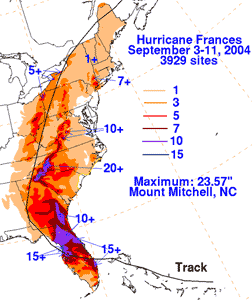 us in Western North Carolina who are hundreds of miles from the coast? Plenty!
It’s not unusual for a hurricane to cause severe damage hundreds of miles inland, but they can also spawn tornadoes and microbursts. As we saw a few years ago with Hurricanes Frances and Ivan, slow moving hurricanes traveling into mountainous regions tend to produce especially heavy rain, triggering landslides and flash flooding.
The Atlantic hurricane season typically lasts from June 1 until November. Now is a good time to review your evacuation plan, take stock of your preparedness kit, and refresh supplies in case you should need to leave your home.
A preparedness kit is simply a collection of basic items you and your family may need in the event of an emergency.
- You may need to evacuate at a moment’s notice and take essential items with you. Think about having bank records and insurance information ready to go.
- You may need to use your emergency kit and stay at home for an extended amount of time. Your kit should help you live without basic services such as electricity, gas, water, sewage treatment or telephones for a few days or even longer. Have a collection of ready-to-eat foods, water, batteries for flashlights and a radio. Keep your cell phone charged. Sometimes a text can go through a busy phone system when a call does not.
- Be sure to include supplies for family members who may have special needs.
- Don’t forget your pets.
- Your family may not be together when disaster strikes, so plan how you will contact one another. Talk with your children and be sure they have emergency contact numbers handy.
For more information about preparing for hurricane season or any other emergency, take a look at these websites:
www.ready.gov/hurricanes
www.nhc.noaa.gov/prepare
www.nhc.noaa.gov/HAW2/english/prepare/supply_kit.shtml